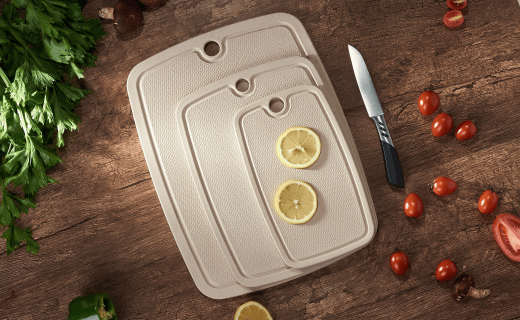
trade pricing seasonal stock food prep surface
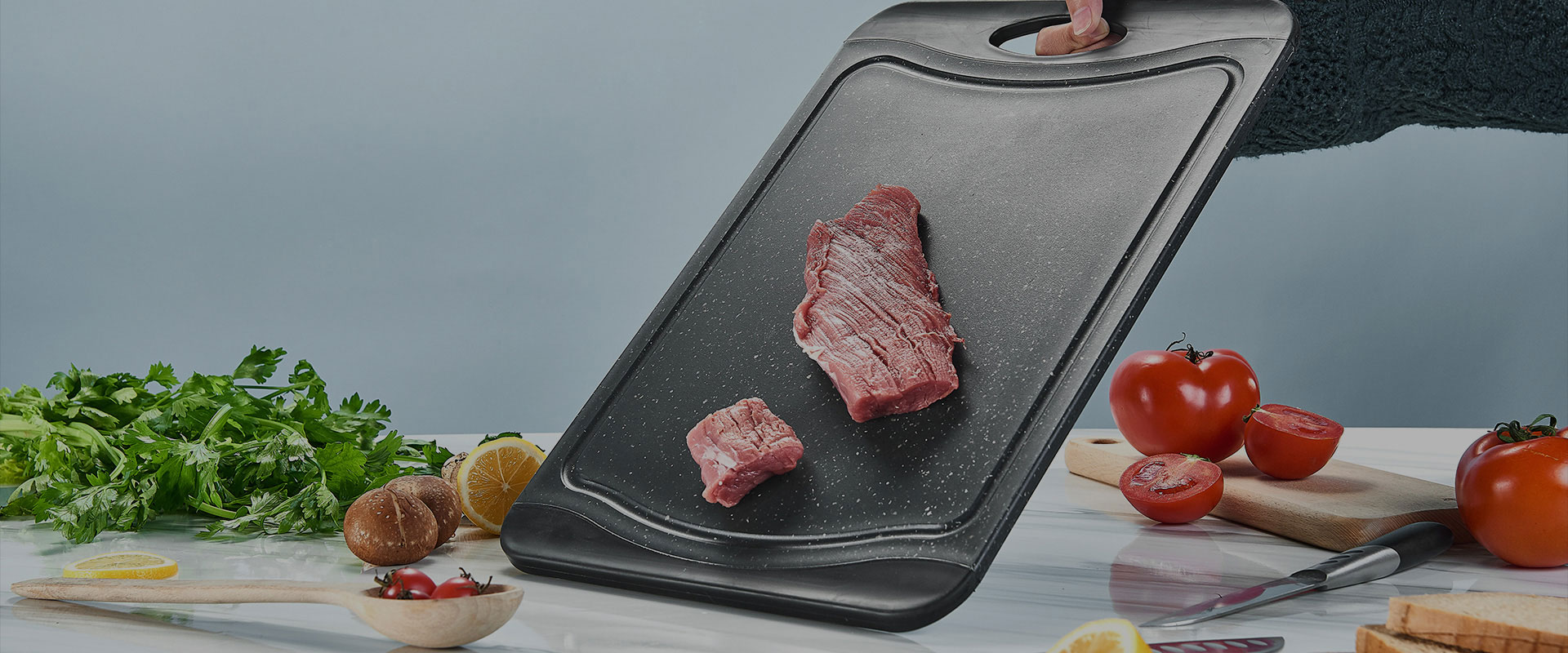 An essential cutting surface works as a fundamental tool within domestic kitchens. It provides a stable and safe place to prepare your ingredients, and the perfect board boosts your kitchen performance. With an extensive range available, it can be overwhelming to know where to start. Relax — this resource explains the main considerations when picking the Kitchen Cutting Board Manufacturer ideal board for your kitchen.
 Begin by evaluating the material options. Common choices include wood, bamboo, plastic, and glass. Every choice entails particular merits and demerits. Wood cutting surfaces are durable and naturally hygienic but must be oiled regularly. Bamboo makes a renewable, sturdy, and lightweight board option. Synthetic cutting boards are affordable and washable but may dull knives more rapidly. Glass cutting surfaces are hard and dishwasher-friendly yet can be bulky and prone to shattering.
Next, evaluate the dimensions required. A tiny board works well for simple tasks like chopping herbs and garlic, but a larger surface supplies more area for slicing veggies or prepping dinner. Consider your countertop available as well.
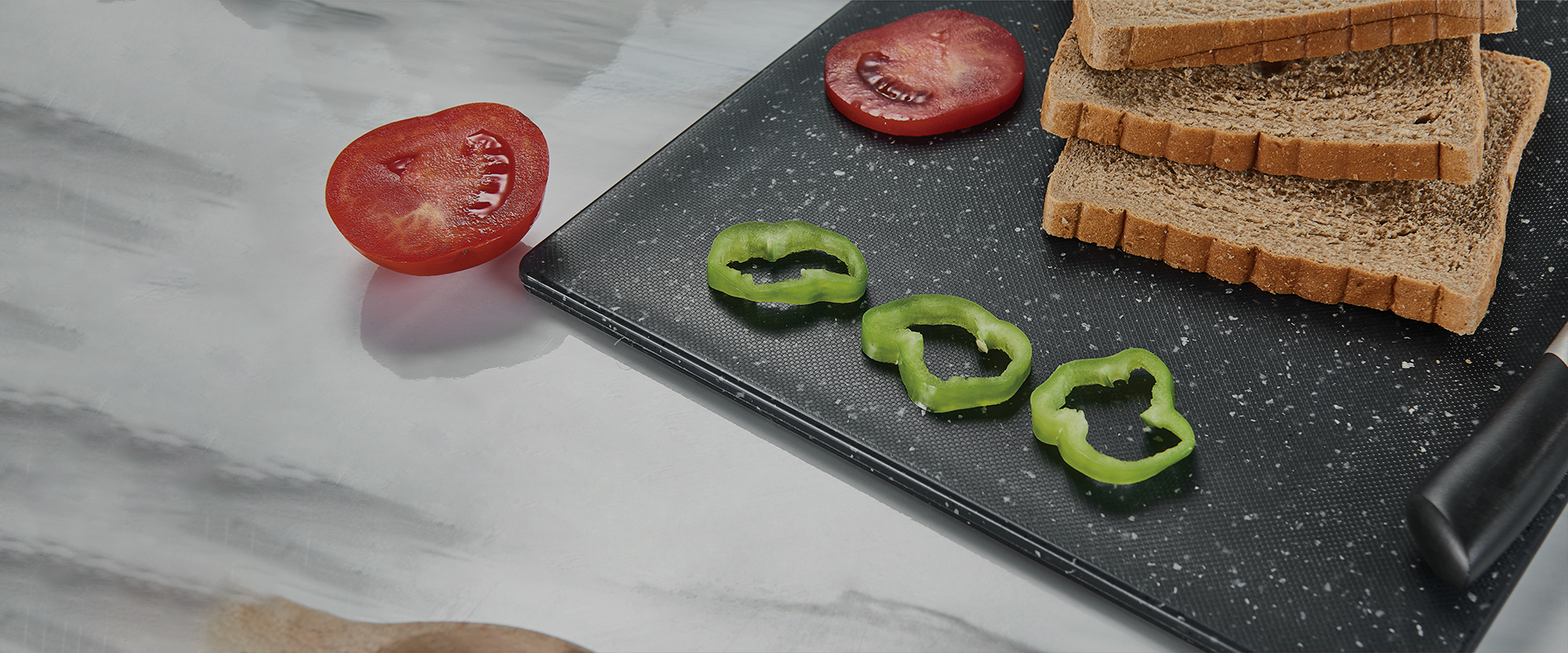
Finally, remember to think about aesthetics. An elegant chopping surface enhances your kitchen’s personality. Choose a board that fits your decor and individual preferences.
Polymer vs Timber vs Silicone: Cutting Board Comparison
The choice of board material commonly ignites debate among plastic, wood, and bamboo proponents. Each type brings different strengths, resulting in a difficult decision for domestic cooks. Plastic cutting panels are recognized for robustness and easy washing; wood panels supply a natural vibe and can be sanded and refinished. Overall, the best board choice is based on your individual cooking needs.
Consider factors such as frequency of use, type of cutting tasks, and personal preference when making your decision.
- Plastic boards typically weigh less and cost less than wooden boards
- Wood boards can be more visually appealing and have a longer lifespan with proper care
- Silicone cutting mats offer flexibility and resist stains though they might lack the durability of polymer or timber
Best Five Cutting Boards for Serious Cooks
For kitchen champions, a solid board is essential. It’s the main prep surface managing everything from chopping produce to cutting proteins. However, given many choices, picking the right board may be hard. Relax, culinary lovers — our investigation identified five boards to enhance your kitchen game.
- Our number one selection is...
- The next selection is...
- Additionally we list...
- Consider also is...
- Last on the list is...
Keeping Your Cutting Board Clean: A Guide
A cutting surface is essential but must be maintained to assure safety and durable life. Frequent washing helps limit harmful bacterial spread.
Adopt these simple measures to keep your board performing at its best:
- Rinse the board in hot, soapy water after every use.
- Sanitize your board by wiping it down with a diluted bleach solution or using a food-safe sanitizer.
- Dry your board thoroughly before storing it.
- Store your board in a well-ventilated area to prevent moisture buildup.
Achieving Sharp Knives on a Cutting Surface
Obtaining a razor-sharp edge on a cutting board calls for careful, systematic strokes over random swipes. It's a methodical dance between pressure and angle. Begin with placing the sharpening tool at the correct, steady angle against the edge. Proceed by guiding the tool along the blade, ensuring the angle remains uniform per stroke. Keep remembering that a steady, controlled motion is more effective than force. As you work the edge, you’ll notice the blade’s surface smooth out and catch less often. Adjust technique and pressure until you land on what suits your knife and sharpening gear. When attained, a razor edge slices effortlessly and improves your enjoyment of cooking.
Crafting Boards for Culinary Craftsmanship
This month we feature Artisan Block Co., an esteemed company known for exceptional boards. With deep experience, they transform raw wood into functional, stylish cutting boards. Their quality focus shows in sourcing responsibly harvested timber and employing advanced building methods.
Every board serves as a handcrafted piece that highlights the wood’s natural grain. They provide numerous styles and sizes to meet varied needs, ranging from small prep boards to large butcher blocks.
- Also, Artisan Block Co. retails accessories including classy knife blocks and maintenance oils to help sustain durability.
- For a lasting, premium cutting board to enhance your kitchen, choose Artisan Block Co..
Resilient & Stylish: Modern Board Designs
Improve kitchen aesthetics and practicality with modern boards. Plain heavy boards are out—current designs feature inventive materials and silhouettes that integrate into cooking spaces. Fashioned from strong woods like walnut and maple, these boards bear daily wear and add refined style to counters. From traditional rectangular designs to imaginative geometric forms, you’ll find boards for any style.
- Opt for various finishes to coordinate with your kitchen aesthetic.
- Think about boards that include juice grooves for simpler cleaning.
- Invest in a durable cutting board built to last over time.
Eco-Friendly Selections for Sustainable Kitchens
When buying a new board, consider environmental effects. Environmental boards are constructed from bamboo, sustainably managed timber, or recycled polymer materials. Such selections lessen environmental impact and contribute to planetary sustainability.
- Select bamboo, a fast-growing and strong material.
- Go with timber procured from responsibly managed forests.
- Consider boards constructed from recycled polymers to renew discarded materials.

Remove Stains: Selecting Stain-Resistant Boards
The material you pick is crucial for a cutting board. A tough, stain-deflecting surface makes kitchen work easier. Wooden chopping slabs are charming but can trap odors and marks. Bamboo offers a good balance—it's sturdy and naturally antimicrobial. Polymer boards are budget-friendly but susceptible to marks. Glass cutting slabs are attractive but can crack or break. Choose the board aligned with your needs and kitchen preferences.
Reducing Board Accidents: Safety Measures
Maintaining boards well supports safe culinary preparation. Be sure to sanitize cutting surfaces both before and after use. Assign different cutting surfaces to raw meat, poultry, and seafood to prevent contamination. Don’t use sharp knives on the edge of boards—this can weaken and encourage bacterial buildup. When the board develops deep grooves or cracks, replace it.
- Always slice on a secure surface.
- Keep edges sharp to lessen slip risks.
- Thoroughly cleanse your hands with soap and water after raw food handling.
Boost Your Cooking with a Premium Cutting Surface
A superior board delivers more than mere vegetable chopping capability. It’s an investment that refines your cooking workflow. Engineered from tough and aesthetically pleasing hardwood or bamboo, boards are long-lived. Their level surfaces provide stability for exact cuts and their designs boost the kitchen’s look.
- A superior cutting board supports more precise knife control.
- Guard surfaces from scratches and deterioration.
- Showcase your culinary skills with a beautiful and functional piece.